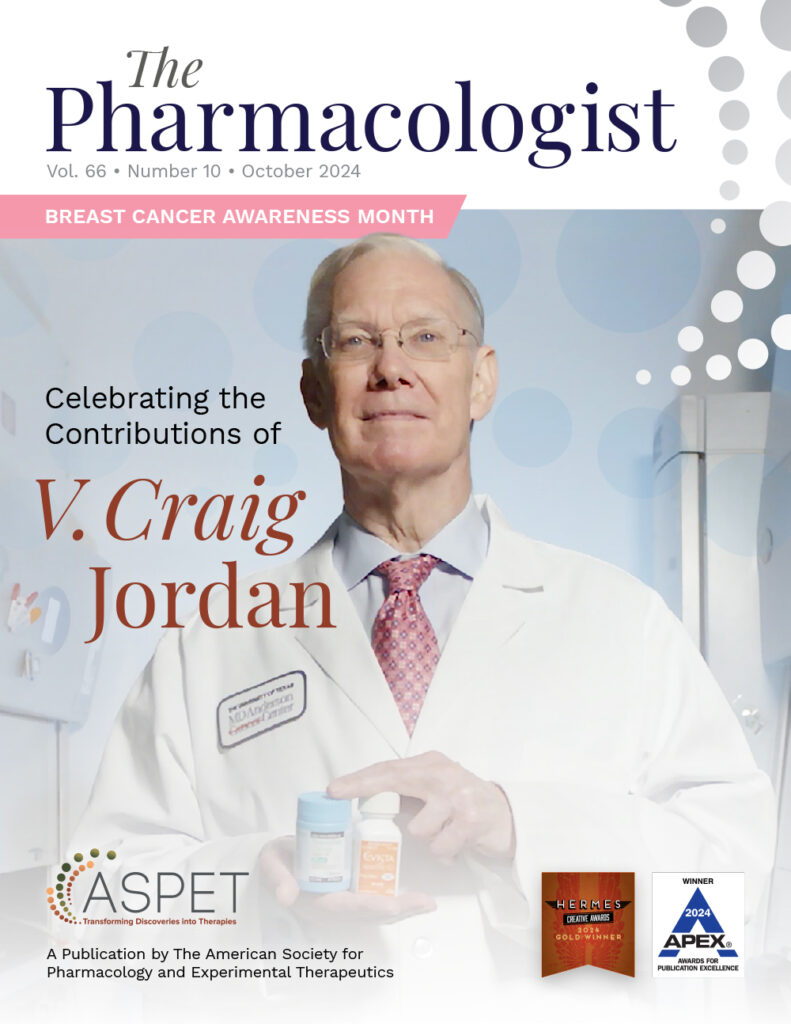


The late Dr. V. Craig Jordan, CMG, OBE, DSc, PhD, FMedSci, FBPhS, FASPET, was an ASPET member for 44 years. He passed away on June 9 at the age of 76. Considered the “Father of Tamoxifen,” Dr. Jordan was a science researcher and professor at The University of Texas MD Anderson Cancer Center. He was an American and British pharmacologist who is credited with discovering the first targeted therapy in cancer to treat breast cancer and osteoporosis. His work uncovered that tamoxifen and other compounds that selectively target estrogen receptors could both treat and prevent breast cancer. Recognized for his work in breast cancer research, he led a Tamoxifen Team that specialized in drugs for breast cancer treatment and prevention.


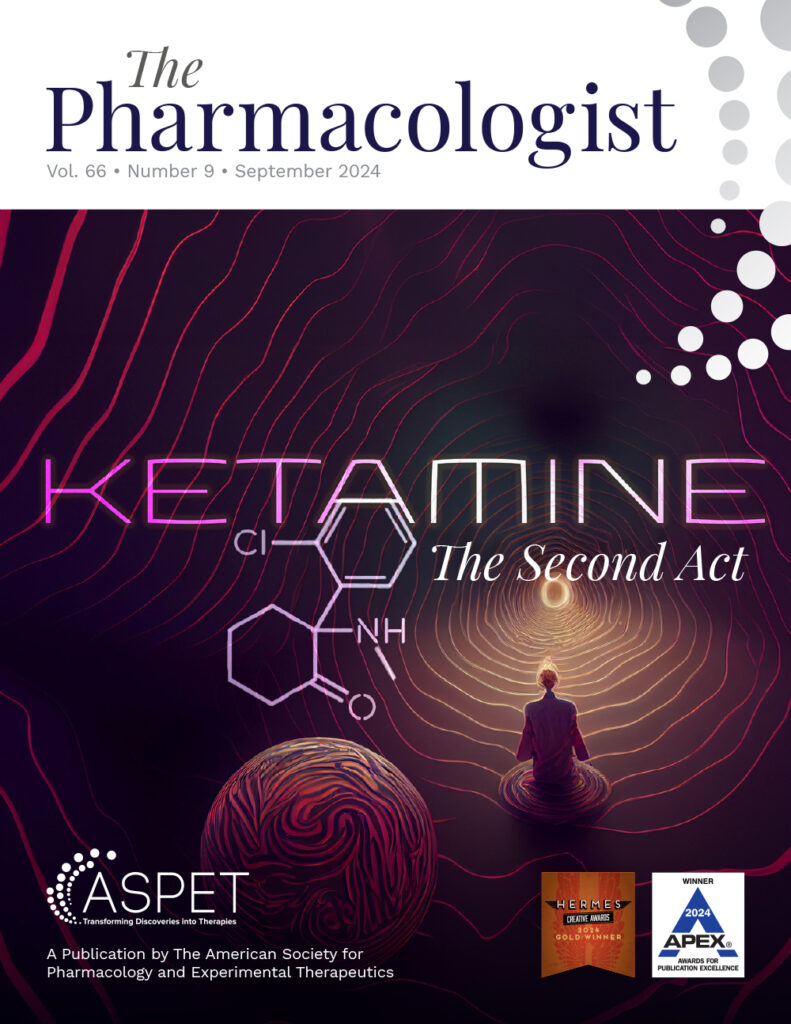
Lila Ash had long suffered from depression, and no treatment seemed to help. The few times she felt better, she had taken psychedelic drugs with friends. And yet, when her psychiatrist prescribed ketamine, she hesitated. She considered it a party drug, not a serious medicine. Eventually, though, she reached the point where she was willing to try it.


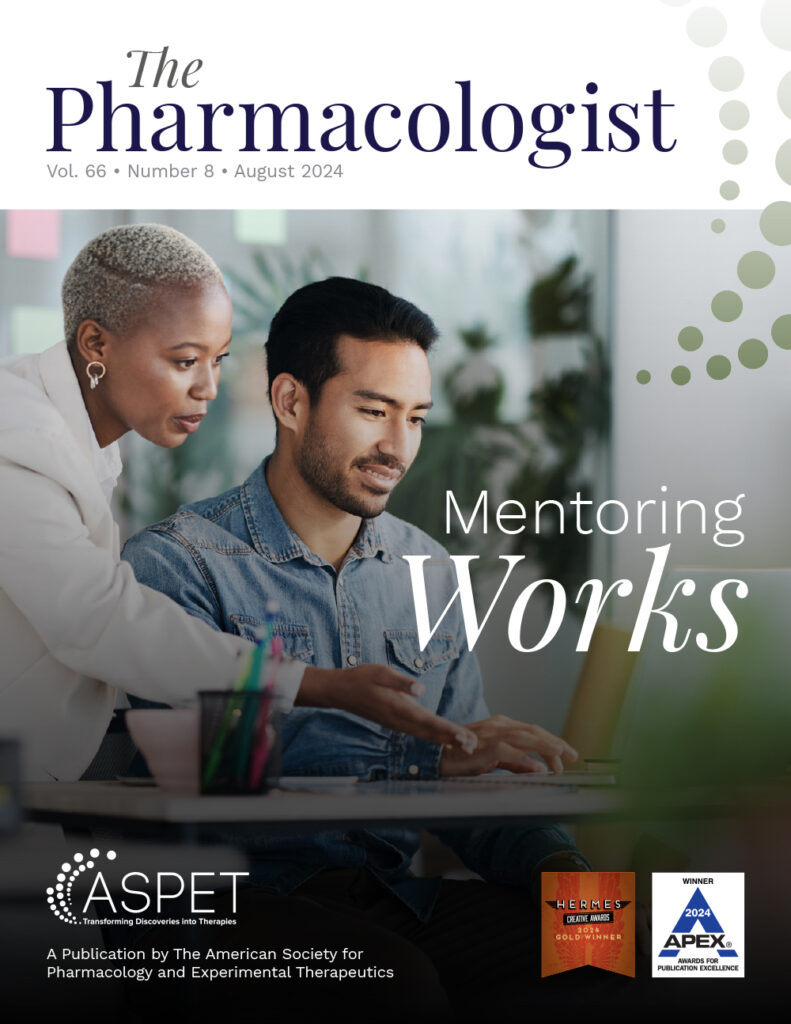
A mentorship program can be a life-long personal and professional benefit. Whether formal or informal, mentoring can offer people an opportunity to learn from one another through a transfer of skill and knowledge.


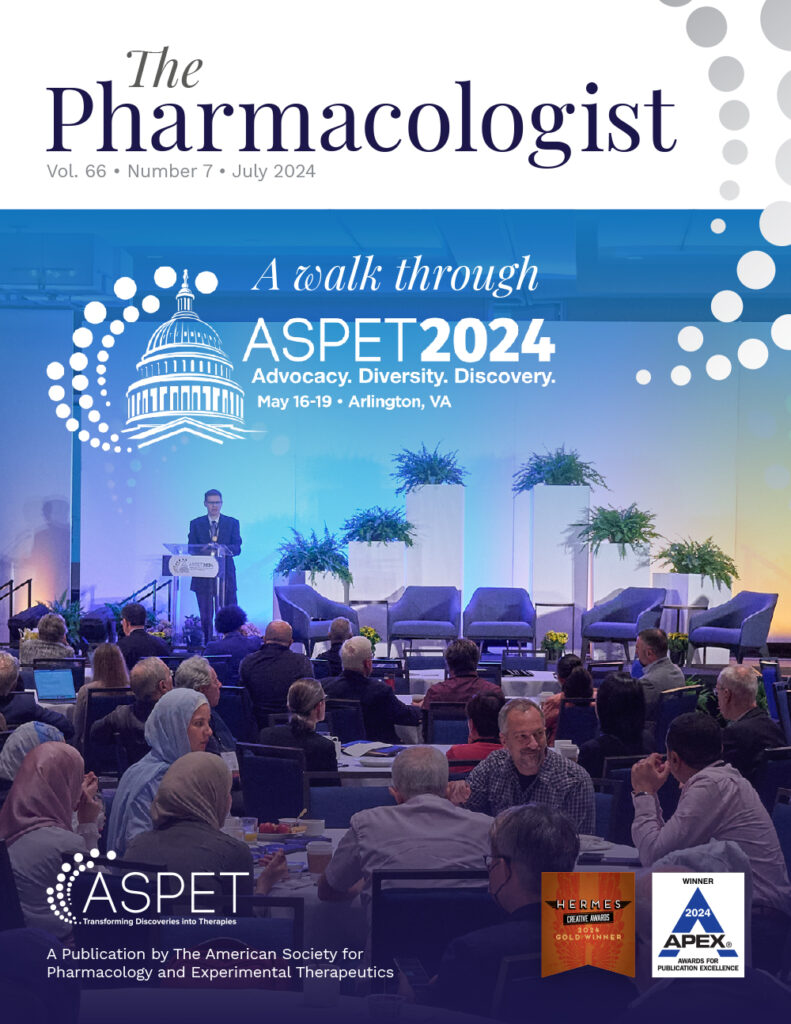
A Recap of the ASPET 2024 Annual Meeting. Thank You for Making ASPET 2024 a Success!


On the bulletin board someone had posted a crude sketch of an addict injecting himself, along with the caption, “When will it ever end? Never?” Someone else crossed out the “Never” and wrote, “When you dig yourself”.


Given the undoubtable impact that AI will have on scientific professions, it is imperative that both educators and students learn how to use AI and how to use it wisely.


According to the U.S. Bureau of Labor Statistics, medical scientists, including pharmacologists, held 119,000 jobs in 2022. These jobs range anywhere from designing and conducting studies on diseases and treatment options, to writing scientific research papers for publication in respected journals. Many untold occupations fall both within and outside of this range. For pharmacologists, though the specialties are broad, the specific job areas tend to be categorized less broadly. Traditionally, career opportunities can veer toward academia, industry, government or conducting research as a bench scientist.


A biotech curriculum provides the skills and experiences students need to be successful in long-term, well-paid careers. While many high school science classes focus on lab-based activities, many do not cover the full-product development life cycle in biotech, which can prevent students from understanding and experiencing what a career in the biotech industry could mean for their future.


A biotech curriculum provides the skills and experiences students need to be successful in long-term, well-paid careers. While many high school science classes focus on lab-based activities, many do not cover the full-product development life cycle in biotech, which can prevent students from understanding and experiencing what a career in the biotech industry could mean for their future.


Mention Goodman and Gilman to any pharmacologist, and they will automatically think of their graduate school textbook.