This month The Pharmacologist features two new policy briefs written by participants of the 2024 ASPET Washington Fellows program. These topics present compelling arguments for policy improvements on an issue of personal importance to each Fellow. The policy briefs below discuss the importance of understanding polysubstance use and accessible treatments for opioid use disorder in El Paso, Texas.
This month The Pharmacologist features two new policy briefs written by participants of the 2024 ASPET Washington Fellows program. These topics present compelling arguments for policy improvements on an issue of personal importance to each Fellow. The policy briefs below discuss the importance of understanding polysubstance use and accessible treatments for opioid use disorder in El Paso, Texas.
Over the next few months, The Pharmacologist will highlight the policy briefs written by the 2024 Washington Fellows class. This month, we’re featuring policy briefs on equitable access to medical technologies in Alabama and federal legalization of fentanyl test strips in the U.S.
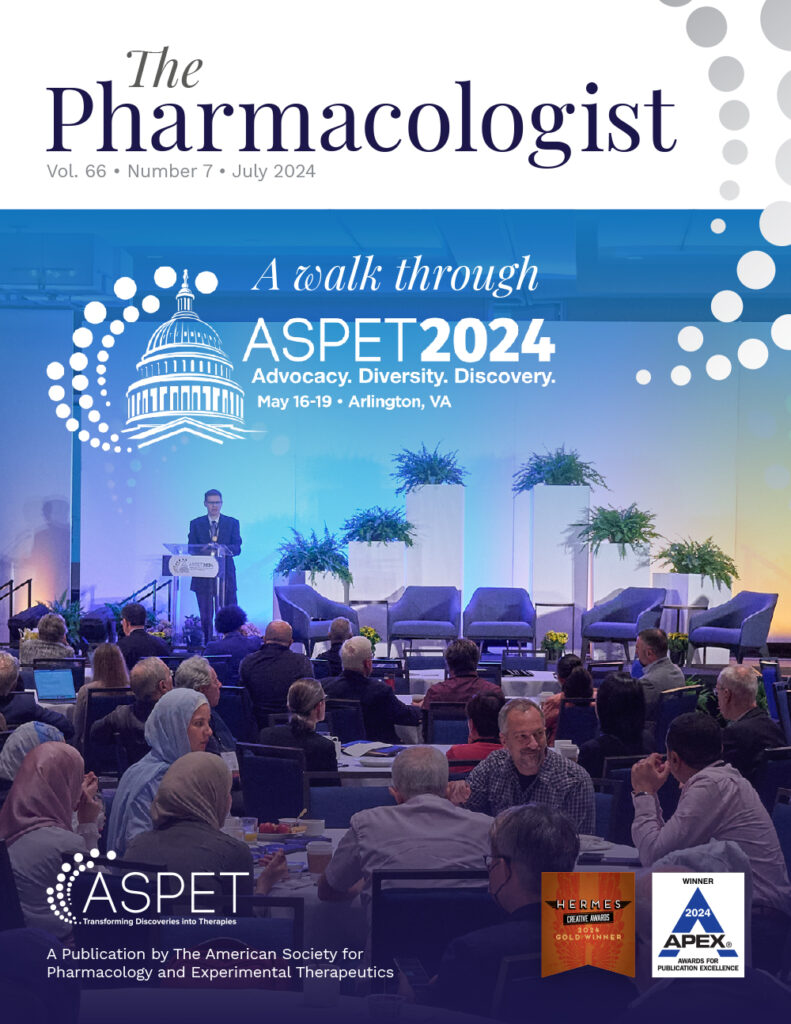
About 40 ASPET members and staff attended the Society’s first stand-alone Capitol Hill Day on May 15, 2024. A total of 64 congressional meetings took place with 33 House visits, and 31 Senate visits with Members of Congress and staff covering 19 states and D.C.
Science Policy and Advocacy Command Attention at ASPET 2024
Sabrina Rahman Archie, PhD, focused her doctoral research on maternal and pediatric health. She specifically evaluated the potential harmful impact of maternal electronic cigarette (e-cig) use, or vaping, on postnatal health using in-vivo models. Dr. Archie’s research sparked her interest in public policy and advocacy as she recognized the urgent need for public health policy development.
Fifth-year PhD candidate at Emory University and ASPET Washington Fellow Alum, Elijah Zorro Ullman discovered his passion for policy at an early age.
As part of the ASPET Council meeting last November, I had the opportunity to join members of the ASPET staff and Council for a visit with House and Senate legislators on Capitol Hill. This was a great chance to communicate ASPET’s vision and mission and discuss ongoing Society activities with policy makers.
ASPET’s public policy efforts play a pivotal role in shaping the science advocacy conversation. From advocating on Capitol Hill—including the ASPET Council and early-career members—to advocacy letter campaigns, the Society remains committed to keeping pharmacologists involved in the public conversation.
As scientists, and importantly citizens, we have the opportunity to shape policy in an evidenced-based way to help solve critical problems.