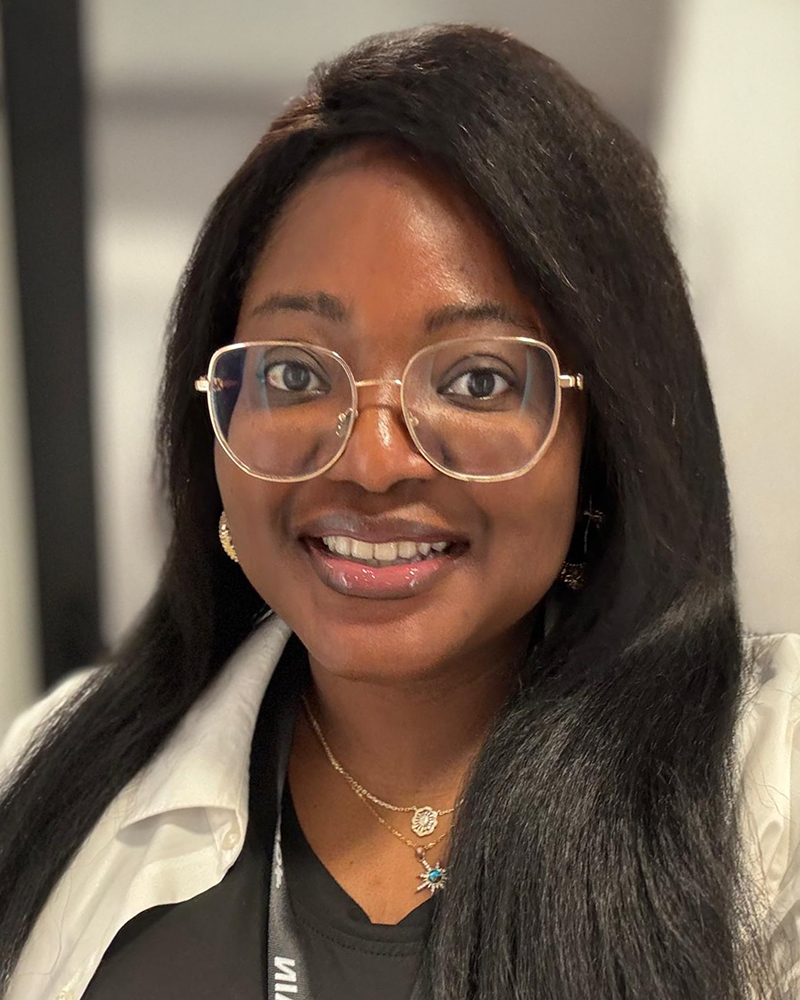
Olufunke Ajeigbe, PhD
The Journal of Pharmacology and Experimental Therapeutics
Olufunke Ajeigbe, PhD, a Postdoctoral Fellow at University of California, Irvine, has had a long-standing interest in understanding how chemical exposures, dietary factors, and bioactive compounds influenced health. “My commitment to reducing health disparities motivated me to pursue advanced training in pharmacology,” she shares. Through the exchange program in the Piomelli Laboratory in UC Irvine, Ajeigbe had the opportunity to work under the mentorship of Professor Daniele Piomelli, and that helped deepen her interest in neuropharmacology and in underexplored questions in cannabis research.
Ajeigbe’s research, “Pharmacokinetic and pharmacodynamic profile of high dose Delta-9-tetrahydrocannabinol (THC) in male and female rats,” investigates the short- and long-term effects of an acute high dose of THC, the primary psychoactive compound in cannabis, in adult male and female rats. As cannabis products become more potent and more widely available, it is important to understand what high doses of THC do in the body, how long those effects may last, and whether biological sex influences risk.
“I hope my research will help advance a more precise, evidence-based understanding of the health effects of high-potency cannabis exposure. I aim to contribute data on how THC is metabolized, distributed, and produces biological and behavioral effects differently in males and females.” By integrating pharmacokinetic and pharmacodynamic measures, this work may help identify time-dependent and tissue-specific consequences of THC exposure that could be overlooked when studying only one biological outcome. “Ultimately, I hope these findings will inform future preclinical research, improve discussions of cannabis-related health risks, and support the development of more individualized and sex-informed prevention and treatment strategies.”
Ajeigbe’s long-term goal is to build an independent research program at the intersection of neuropharmacology, toxicology, metabolism, and translational biomedical science. She is also interested in developing sex-informed approaches to understanding the risks associated with cannabis use and in identifying strategies that may help prevent or treat cannabis use disorders. Beyond research, Ajeigbe is committed to mentorship and scientific capacity building. She hopes to support and empower the next generation of scientific leaders, especially researchers across Africa and other underrepresented communities pursuing careers in biomedical, pharmacological, and translational research.
“Publishing my first paper in The Journal of Pharmacology and Experimental Therapeutics is a defining milestone in my early research career,” she shares. Having her research published recognizes her contribution to global pharmacological research, increases the visibility of her work within the broader scientific community, and helps communicate evidence-based findings on cannabis-related health outcomes.
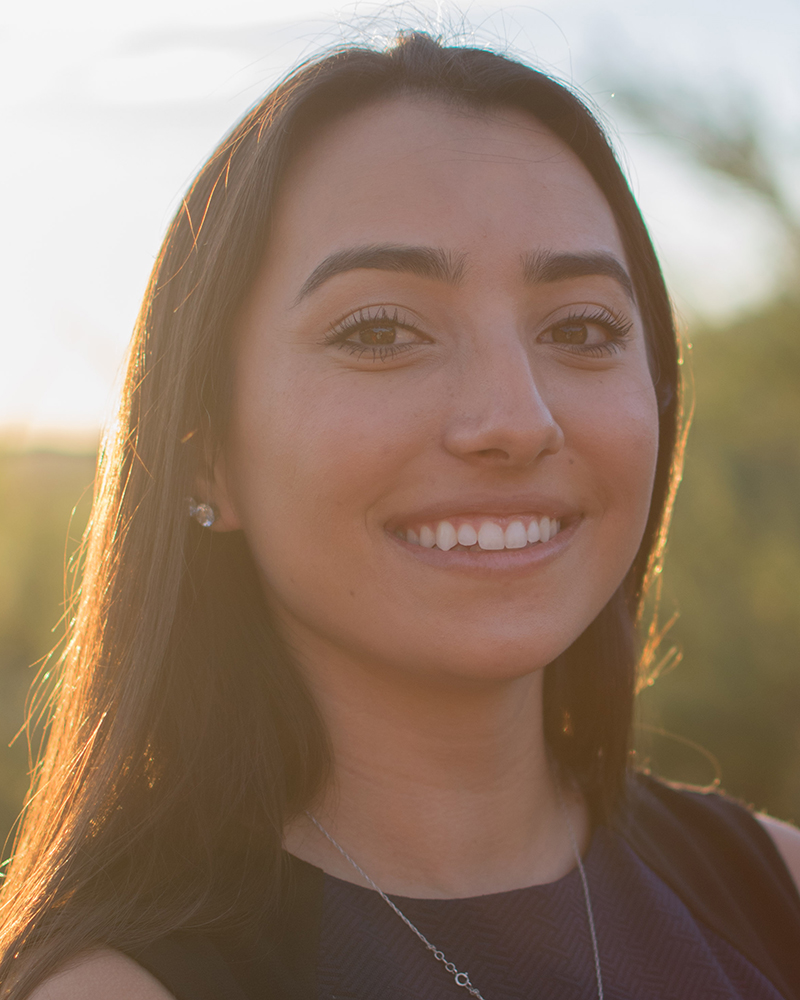
Samantha Serna
“The respiratory toxicology work that I engaged in solidified my enthusiasm for the field and my future career path,” says Samantha Serna, a Pharmacology and Toxicology PhD Candidate at the University of Utah. “My research mentors, lab mates, family, and friends have all influenced my development as a scientist.”
Serna’s published work, “Regulation of transient receptor potential ankyrin-1 agonist–induced airway epithelial cell injury and repair by protein kinase C and p38 mitogen-activated kinase,” aims to mitigate respiratory irritation or damage caused by inhaled environmental pollutants, such as wood smoke and cigarette smoke, through kinase inhibitor-based pharmacological intervention. The air we breathe is a mixture of various components (e.g., wildfire smoke, vehicle exhaust, cigarette smoke), all of which affect our lung health and may exacerbate symptoms in those with pre-existing conditions such as asthma.
For Serna, being published in Molecular Pharmacology is a great accomplishment as a trainee author. “I hope my research will provide further insight into respiratory and environmental toxicology and help advance the field of pharmacological interventions in response to these stressors.”
As she concludes her graduate studies and transitions to the next steps in her career, Serna is excited about the avenues she can pursue with her research background. She plans to pursue a career in industry where she can continue researching topics within pharmacology and toxicology, or in respiratory research.
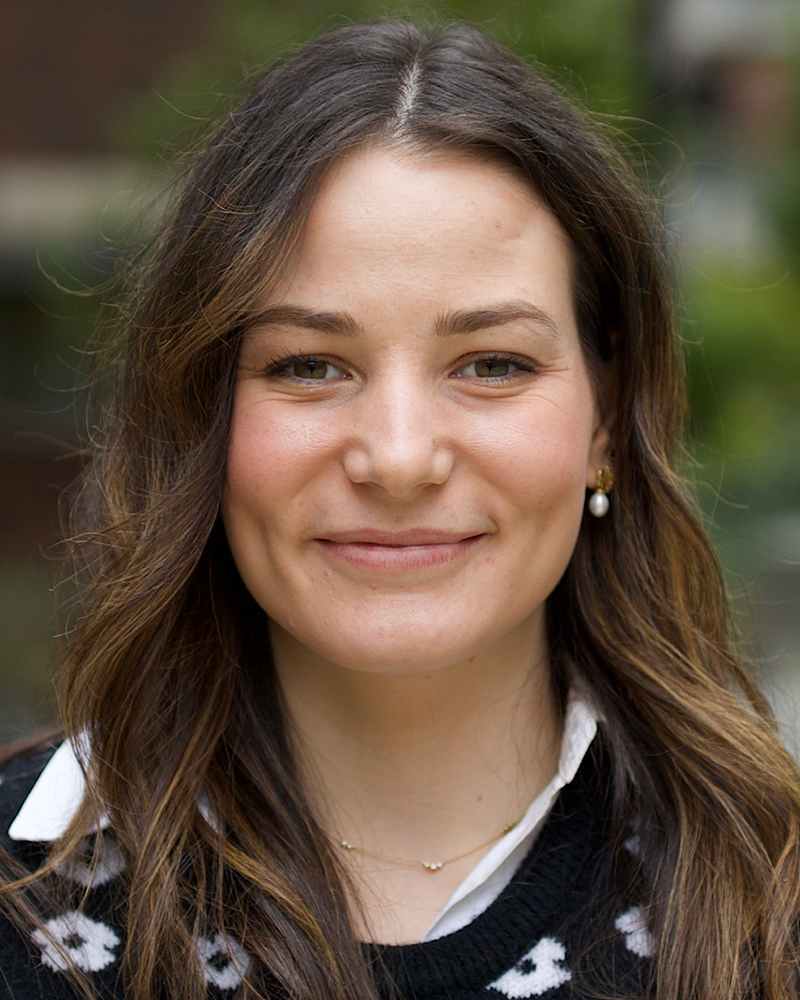
Aurora Authement, PhD
Drug Metabolism and Disposition
“Pharmaceutical sciences directly informs how drugs are dosed and how patients are treated,” says Aurora Authement, PhD, Senior Scientist at Merck. “I saw how mechanistic studies and modeling can predict clinical outcomes before a drug reaches patients.”
Most hormones and drugs in the blood are bound to proteins. Authement’s research, “Modeling cortisol and cortisone binding to corticosteroid-binding globulin and albumin based on clinical protein binding data,” shows that mechanistic binding models can explain plasma protein binding using clinical data. CBG binds tightly but can be saturated. This saturation drives nonlinear kinetics that a fixed unbound fraction cannot capture.
“I hope this approach helps others model drugs and endogenous compounds with complex binding.” For Authement, the most rewarding moment was seeing a mechanistic model explain decades of published clinical data. It showed her that careful modeling in combination with robust clinical data can turn observations into a clear picture.
Many of the papers that trained Authement as a scientist were published in Drug Metabolism and Disposition. For her, being published in DMD as a trainee “places my work alongside research I have long learned from. It also connects me to the ASPET community, which invests in early-career scientists.”
Authement’s research goal is to improve in vitro to in vivo extrapolation (IVIVE) for both small molecules and new modalities. She plans to close current IVIVE gaps by building her expertise in mechanistic in vitro studies and modeling to support better decisions in drug development.