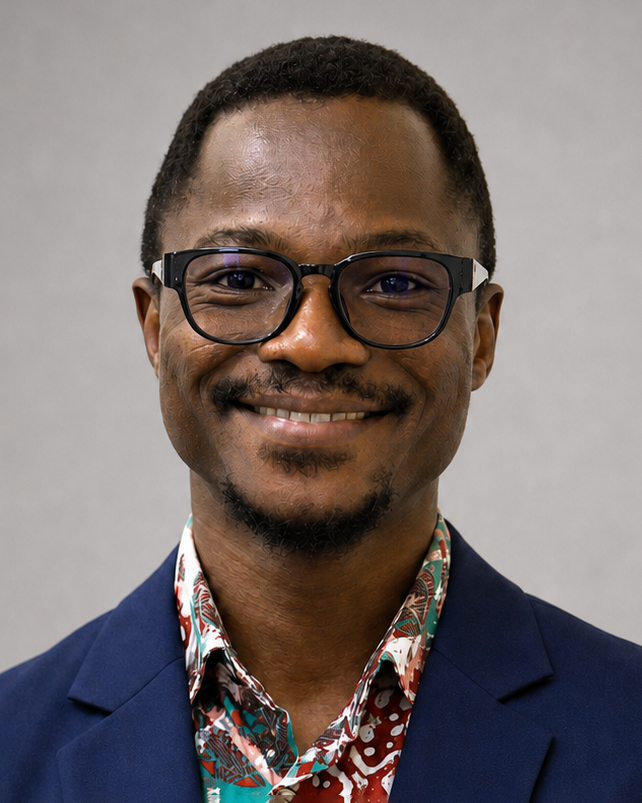
 The first time I watched myself give a science pitch on video, I wanted to close my laptop. I noticed every pause, every facial expression, and every moment where my confidence did not look the way I wanted. I am a Doctoral Fellow in the Department of Pharmaceutical Sciences at St. John’s University, and in Fall 2026, I will begin my fourth year. In the lab, I can talk about neuroblastoma, cancer stem cells, treatment resistance, cell signaling, and combination therapy. But this course made me face a different question: Can I explain this science clearly to someone outside my field?
When ASPET sponsored a limited number of seats in the ASBMB Art of Science Communication Course, I saw it as more than a professional development opportunity. It was a chance to practice something many scientists need, but are not always trained to do: Speak about our work with clarity, confidence, and connection.
The Art of Science Communication is an eight-week online course that helps scientists present their work to nonexpert audiences. My group had three participants and two facilitators, Dr. Amy J. Hawkins and Ms. Yi-Li Lam. Because the group was small, the feedback felt personal. It was not just, “make this better.” It was, “this is where your message is strong, and where your audience may get lost.”
The video recording was the hardest part for me, but also the most useful. I do not naturally enjoy watching myself speak and, at first, I only saw flaws. With time, I saw what I could improve. I learned that communication is not magic. It is a skill we can practice.
One of the biggest lessons I took from the course was the power of analogy. In my research, I study why neuroblastoma can return even after treatment destroys most of the tumor. A small group of resistant cells can survive through backup pathways. Before this course, I may have used technical language. Now I can say: blocking one cancer survival pathway can be like locking the front door of a house, only to realize the intruder has found the back door, the window, and a hidden tunnel.
That image helps people enter the science. It does not reduce the rigor. It makes the science more reachable.
The course also changed how I think about audience. A scientist, a parent, a policymaker, and a community member may hear the same message differently. If I want my research to matter beyond the lab, I have to meet people where they are.
My advice to other trainees is simple: Start before you feel perfect. Record yourself. Practice with people outside your field. Ask what they understood. Use stories. Use analogies. Let your own voice come through.
I hope ASPET continues sponsoring trainees for this course, especially non-native English speakers and scientists who want to build confidence in public speaking. Many of us have important science to share. Sometimes, we need the right training to help us find the voice to share it well.

